Caregiver's Guide: Talking About Memory Loss & Cognitive Assessment
Navigating the delicate subject of memory loss with a loved one is one of the most challenging journeys a caregiver can undertake. It's a path filled with emotional complexities, uncertainty, and a deep desire to do what's best. You may have noticed small changes—a forgotten appointment, a repeated story, difficulty finding words—that create a growing sense of concern. This guide is here to offer you compassionate, practical advice on how to initiate that crucial conversation, what signs to look for, and how an accessible Cognitive Assessment can be a gentle and empowering first step. What is a cognitive assessment and why is it important? It's a way to gain clarity, providing a foundation for proactive brain health management.

Recognizing Early Signs of Cognitive Decline
Before you can have a meaningful conversation, it’s helpful to understand what you're observing. Differentiating between normal age-related forgetfulness and more significant cognitive changes is the first step. This process isn't about diagnosing but about gathering information to better understand the situation.
Normal Aging vs. Something More: What to Look For
It's common for aging adults to experience minor memory lapses. Forgetting where they placed their keys or the name of an acquaintance is typically normal. However, red flags may appear when memory issues begin to consistently interfere with daily life. Key differences include misplacing keys versus forgetting what keys are used for, or forgetting a name temporarily versus forgetting the names of close family members.
Look for patterns in areas beyond memory. Are they struggling with planning and problem-solving, like managing a budget or following a familiar recipe? Have you noticed confusion about time or place, or changes in mood and personality, such as increased irritability, anxiety, or withdrawal from social activities? An online memory test can offer a structured look at these functions.
Keeping a Journal: Documenting Your Observations
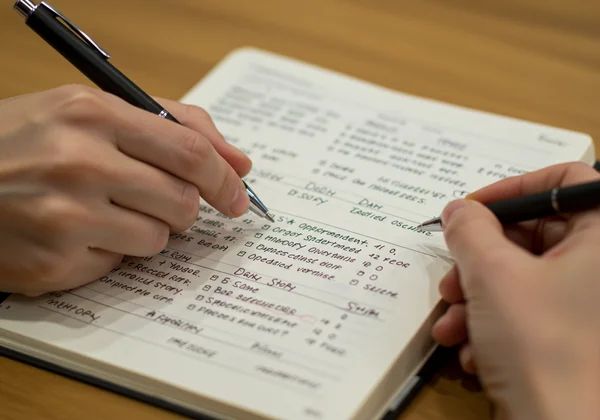
Actionable data is your ally. Keeping a private journal to document specific instances can be incredibly valuable. Instead of relying on vague feelings like "Mom seems more forgetful," you can note concrete examples. For instance, write down the date, the specific event (e.g., "Forgot a doctor's appointment we confirmed yesterday"), and the context.
This log serves two purposes. First, it helps you see objective patterns over time, confirming whether your concerns are grounded in a series of events. Second, it provides specific, non-accusatory examples you can use when talking to your loved one or a healthcare professional. This approach transforms a potentially confrontational conversation into a collaborative effort to understand what's happening.
Preparing for the Conversation: A Caregiver's Toolkit
Broaching the topic of a cognitive assessment for adults requires sensitivity, patience, and careful planning. Your goal is to open a door for communication, not to force a conclusion. Framing the conversation with empathy and respect is paramount to ensuring your loved one feels supported rather than attacked.
Choosing the Right Time & Place for Sensitive Talks
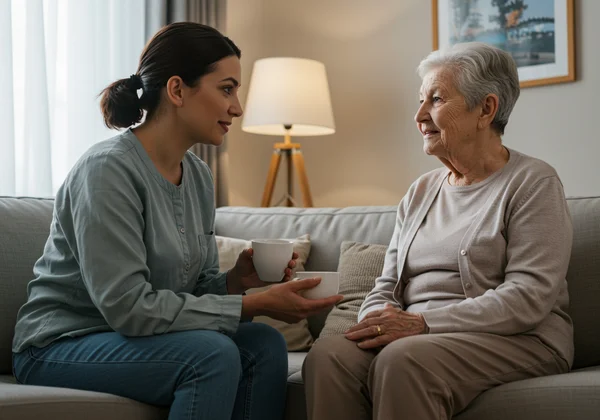
Timing and environment are everything. Avoid bringing up your concerns during a stressful family gathering or at the end of a long, tiring day. Choose a time when you are both relaxed, calm, and have plenty of privacy. The setting should be comfortable and familiar, like their living room over a cup of tea.
Ensure there are no distractions. Turn off the television and put your phones on silent. This quiet, focused environment signals that the conversation is important and that you are giving them your full, undivided attention. Your calm demeanor will help set a reassuring tone for the entire discussion.
Framing the Discussion: Health Check-up, Not an Accusation
The language you use can make all the difference. Avoid accusatory phrases like, "You're always forgetting things." Instead, use "I" statements to express your own feelings and observations. For example, "I've been feeling a bit worried lately, and I'd love for us to look into our brain health together."
Frame the idea of a cognitive skills assessment test as a routine part of overall wellness, much like a blood pressure check or a dental cleaning. You can position it as a "brain health check-up" or a proactive step to stay sharp. By suggesting you do it together or framing it as something beneficial for everyone, you create a sense of teamwork and reduce any feelings of being singled out or judged. A free online assessment can be an excellent, non-threatening tool to introduce.
Introducing Cognitive Assessment for Elderly Loved Ones
Once you've opened the lines of communication, you can gently introduce the idea of a formal evaluation. Presenting an online tool as a starting point can feel much less intimidating than immediately scheduling a doctor's appointment. It allows your loved one to explore their cognitive function in the privacy and comfort of their own home.
The Role of Online Cognitive Assessments as a First Step
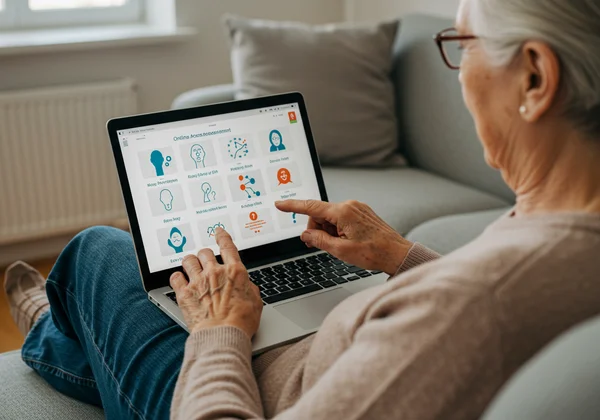
An online Cognitive Assessment Test serves as a perfect entry point. It’s a private, low-stress way to gather objective information. Explain that this tool is designed by neuropsychologists and AI experts to provide a comprehensive look at different cognitive areas, such as memory, attention, and problem-solving skills.
Emphasize that it's not a pass-or-fail exam but a tool for understanding. The AI-powered analysis provides a detailed report highlighting cognitive strengths and areas that might need more support. This insight can be incredibly empowering, turning vague worries into a clear, actionable picture. This first step can be taken together, reinforcing your role as a supportive partner in their health journey. You can explore the AI-powered analysis right from the homepage.
When to Seek Professional Medical Advice After Assessment
It is crucial to stress that online assessments are for informational purposes and are not a substitute for a clinical diagnosis. They do not diagnose conditions like dementia or Alzheimer's disease. The primary purpose is to provide a baseline understanding and to identify areas that may warrant further investigation.
After completing an assessment, the detailed report can be an invaluable resource to bring to a doctor. It gives the healthcare professional specific data points to work with, facilitating a more productive conversation about next steps. Always encourage consulting with a general practitioner or a specialist if the results from the brief cognitive assessment tool or your observations raise concerns.
Empowering Steps for Proactive Brain Health
As a caregiver, approaching the topic of memory loss is an act of profound love and responsibility. By carefully observing, preparing thoughtfully for the conversation, and introducing a tool like an online cognitive assessment, you are empowering your loved one to take an active role in their brain health. This journey is not about finding faults; it's about seeking clarity and finding the best path forward together.
You don't have to navigate these concerns alone. An objective, scientific tool can provide the starting point you need to move from worry to action. Take the first step towards understanding and support by exploring a comprehensive and confidential online cognitive assessment.
Frequently Asked Questions About Memory & Cognitive Assessments
How can I check if my loved one's brain is working properly at home?
Observing daily activities is a great start. Notice if they have trouble with tasks they once found easy, like managing finances, cooking, or navigating familiar places. For a more structured approach, an online cognitive assessment provides a standardized way to evaluate key areas like memory, attention, and executive function from the comfort of home.
How do you tell if a loved one has cognitive decline?
Look for a consistent pattern of change, not just isolated incidents. Key signs can include persistent memory loss that disrupts daily life, difficulty with problem-solving, confusion with time or place, trouble with visual-spatial skills, and noticeable changes in mood or personality. Documenting these instances can help clarify the situation.
Why would someone need a cognitive assessment, even if symptoms are mild?
Early assessment is key. Even with mild symptoms, a cognitive assessment can establish a valuable baseline of cognitive function. This allows you to track changes over time and implement proactive strategies—like lifestyle changes or brain exercises—sooner rather than later. It's about being proactive, not reactive, with brain health.
What happens if someone "fails" an initial cognitive assessment?
There is no "failing" a cognitive assessment. The goal is to gain insight, not to achieve a certain score. The results simply provide a snapshot of cognitive strengths and weaknesses. If the report highlights areas of concern, it should be viewed as a valuable tool to guide a conversation with a healthcare professional for further evaluation and support.