Cognitive Assessment & Memory Improvement: Types, Tests & Brain Boosts
Have you ever misplaced your keys and wondered if it was just a busy day or something more? Understanding your memory is the first step toward empowering your mind. Memory is not just a single entity but a complex system that shapes our identity and daily experiences. This guide will explore the fascinating world of memory, from its different types to how a Cognitive Assessment can provide a clear picture of your mental strengths. What is a cognitive assessment, and how can it unlock your potential? It's a structured way to measure your mental capabilities, and modern tools have made it more accessible than ever. By the end of this article, you'll understand how to assess, support, and enhance this vital cognitive function.
Understanding Your Memory: Types and How They Work
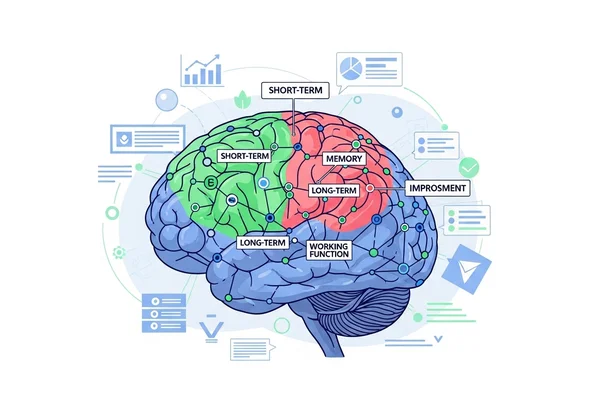
Memory is the bedrock of our ability to learn, reason, and navigate the world. It’s not a single filing cabinet in the brain but a distributed network of systems, each with a unique role. Grasping these distinctions is crucial for anyone interested in their cognitive health. Understanding how these systems work together helps demystify why we remember some things vividly while others fade away. A comprehensive online cognitive assessment can offer insights into how effectively these different systems are functioning for you.
What is Short-Term Memory? Your Brain's Scratchpad
Think of short-term memory as your brain's temporary notepad. It holds a small amount of information in an active, readily available state for a brief period, typically about 20-30 seconds. When you look up a phone number and repeat it to yourself just long enough to dial, you are using your short-term memory. It has a limited capacity, generally holding around seven items at once. This mental scratchpad is essential for immediate tasks, allowing us to process thoughts and experiences as they happen without cluttering our minds with unnecessary information.
Long-Term Memory: Storage for Life
In contrast, long-term memory is the vast, durable storage system for your knowledge, skills, and experiences. Information from short-term memory can be encoded and transferred here, where it can last for days, weeks, or even a lifetime. This system is further divided into explicit memory (conscious recollections like facts and events) and implicit memory (unconscious skills like riding a bike). It's the library of your life, influencing your decisions, beliefs, and behaviors. Protecting and nurturing your long-term memory is a cornerstone of maintaining lifelong cognitive vitality.
Working Memory: Your Mental Workspace
Often confused with short-term memory, working memory is a more dynamic and active system. It's the "mental workspace" where you not only hold information temporarily but also manipulate it to perform complex cognitive tasks. When you solve a math problem in your head, follow a multi-step recipe, or participate in a complex conversation, you are relying heavily on your working memory. This cognitive skill is critical for reasoning, problem-solving, and planning. An effective Cognitive Assessment Test often evaluates working memory because it is a strong indicator of overall executive function and fluid intelligence.
Assessing Your Memory: Tools & What to Expect
A memory assessment is a proactive step toward understanding and managing your brain health. Rather than waiting for significant concerns to arise, regular assessments can provide a baseline of your cognitive function, allowing you to track changes over time. It empowers you with objective data about your cognitive strengths and areas that might need more support. This process isn't about passing or failing; it's about gaining clarity and actionable insights to guide your wellness journey.
Why is Memory Assessment Important for Brain Health?
Monitoring your memory is as important as monitoring your physical health. A formal assessment can help distinguish between normal age-related forgetfulness and early signs of cognitive decline. It provides valuable information that can reduce anxiety about memory lapses and offer a clear path forward. For lifelong learners and professionals, understanding your memory profile can help you optimize study habits and work performance. Ultimately, a memory assessment is a tool for self-awareness, enabling you to take charge of your cognitive future and maintain mental sharpness.
What Happens During a Memory Test?
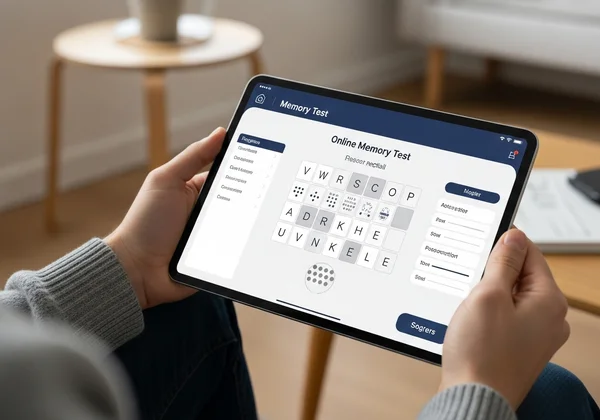
A memory test involves a series of structured tasks designed to evaluate different aspects of your memory systems. You might be asked to recall a list of words, remember a short story, recognize patterns, or replicate a drawing from memory. These tasks are designed to be engaging and revealing. With advanced online cognitive assessment platforms, this process is seamless and user-friendly. The AI-powered analysis examines your response patterns to provide a detailed report, highlighting your cognitive profile without the stress of a traditional clinical setting. You can take the comprehensive test from the comfort of your home.
Online vs. Clinical Memory Assessments: What's the Difference?
Clinical assessments, often conducted by neuropsychologists, are comprehensive diagnostic tools used to identify specific neurological conditions. They are thorough, intensive, and essential for medical diagnosis. Online assessments, on the other hand, are designed for accessibility, education, and self-monitoring. A high-quality online tool like ours uses principles from clinically validated tests but is not a substitute for a medical diagnosis. It offers a convenient, scientific, and personalized way to check your brain health, providing insights and actionable recommendations to support your cognitive wellness journey.
Boosting Your Brain: Science-Backed Memory Improvement
The great news is that memory is not fixed. Just like a muscle, it can be strengthened with the right habits and techniques. Knowing how to improve memory involves a holistic approach that combines lifestyle adjustments, targeted mental exercises, and effective learning strategies. By adopting science-backed methods, you can enhance your ability to learn new information, recall important details, and maintain a resilient mind throughout your life. It starts with understanding what your brain needs to thrive.
Lifestyle Habits for a Sharper Memory
Your daily routines have a profound impact on your cognitive function. Regular physical exercise boosts blood flow to the brain and stimulates the growth of new neurons. Quality sleep is critical for memory consolidation, the process where the brain solidifies new memories. A balanced diet rich in antioxidants and omega-3 fatty acids, like the Mediterranean diet, provides essential nutrients for brain health. Finally, staying socially engaged and managing stress are powerful ways to protect your cognitive reserves and promote lifestyle habits that support long-term memory function.

Effective Techniques for Memory Enhancement
Beyond a healthy lifestyle, specific techniques can significantly boost your memory performance. Mnemonic devices, such as acronyms or rhymes, create memorable associations that make information easier to recall. The "method of loci," or memory palace, involves visualizing items in a familiar location to create a strong mental map. Other strategies include chunking (grouping information into smaller units) and spaced repetition (reviewing material at increasing intervals). These memory enhancement methods leverage how your brain naturally learns and stores information.
The Role of Brain Training & Cognitive Exercises
Just as you exercise your body, targeted brain training can help keep your mind sharp. Engaging in novel and challenging activities stimulates neural pathways and can improve cognitive flexibility. This can include learning a new language, playing a musical instrument, or engaging in strategic games like chess. Online platforms offer structured cognitive exercises designed to target specific skills like working memory or attention. An initial assessment can help identify which areas to focus on, making your brain training efforts more efficient and effective. Ready to see where you stand? An AI-powered analysis can give you a personalized starting point.

Empower Your Mind: Your Next Steps in Memory Health
Understanding, assessing, and improving your memory is a lifelong journey, not a destination. You've learned about the different types of memory, the importance of assessment, and powerful, science-backed strategies to boost your brainpower. The key takeaway is that you have the power to influence your cognitive health through proactive steps and informed choices. Gaining clarity on your current cognitive profile is the most empowering first step you can take.
We invite you to continue this journey with us. Discover your cognitive strengths and identify areas for growth with a comprehensive, AI-driven evaluation. Assess your memory today and receive a detailed, personalized report with actionable insights to guide you toward a sharper, more resilient mind.
Frequently Asked Questions About Memory & Cognition
How can I test my memory at home?
You can test your memory at home using a scientifically designed online tool. Platforms like CognitiveAssessment.net offer a comprehensive suite of tasks that evaluate different memory systems, from working memory to long-term recall. These tools provide instant, confidential results and insights, making it a convenient first step to understanding your brain health check.
What questions are asked in a memory assessment?
A memory assessment typically involves tasks rather than direct questions. You might be asked to memorize and recall lists of words, remember details from a short story, identify patterns, or reconstruct a visual design from memory. The goal is to evaluate your ability to encode, store, and retrieve different types of information.
What happens if you perform poorly on a memory test?
Performing poorly on a memory test is not a final judgment but a data point. It provides valuable information about areas where you might need more support. A good assessment tool will offer actionable suggestions, such as specific lifestyle changes or cognitive exercises. It’s a sign to be proactive, not a reason to worry. If you have serious concerns, you should consult a healthcare professional.
Can a GP do a cognitive assessment that includes memory?
Yes, a General Practitioner (GP) can conduct a brief cognitive screening, such as the Mini-Mental State Examination (MMSE) or the Montreal Cognitive Assessment (MoCA). These are valuable initial screens. However, for a more detailed and nuanced understanding of your cognitive profile, a specialized tool or a referral to a specialist may be recommended.
How do you distinguish normal forgetfulness from concerning memory loss?
Normal forgetfulness includes occasionally misplacing items or forgetting a name but remembering it later. Concerning memory loss is more persistent and disruptive to daily life. It might involve forgetting recent events, repeatedly asking the same questions, or having trouble with familiar tasks. If memory lapses are affecting your safety, work, or relationships, it is wise to seek a professional evaluation.