Beat Brain Fog: Cognitive Assessment for Mental Clarity at Work
Feeling stuck in a mental haze at work? You know the feeling: you’re staring at your screen, but the words won’t connect. Tasks that used to be simple now feel monumental, and your focus drifts away like a cloud. This frustrating experience, often called "brain fog," can sabotage your productivity and confidence. If you've been wondering what is brain fog and how you can reclaim your sharp, focused mind, you're in the right place. A Cognitive Assessment is a powerful first step toward understanding the root of the issue and clearing the fog for good. It provides objective insights into how your brain is performing, moving you from guessing to knowing. Ready to find clarity? You can start your free test today.
What is Brain Fog and Its Impact on Your Work?
Brain fog isn’t a medical diagnosis but a relatable term for a group of symptoms that affect your thinking. It’s that feeling of being mentally "off"—sluggish, fuzzy, and not quite sharp. In a professional setting, this can be especially challenging, leading to missed deadlines, simple mistakes, and the draining feeling of constantly trying to catch up. The impact goes beyond just one bad day; chronic brain fog can hinder career growth and significantly increase work-related stress.
Identifying the Symptoms: Beyond Just Feeling Tired
It's easy to dismiss brain fog as simple fatigue, but its symptoms are more specific and persistent. Recognizing them is the first step toward addressing the problem. You might be experiencing brain fog if you regularly notice:
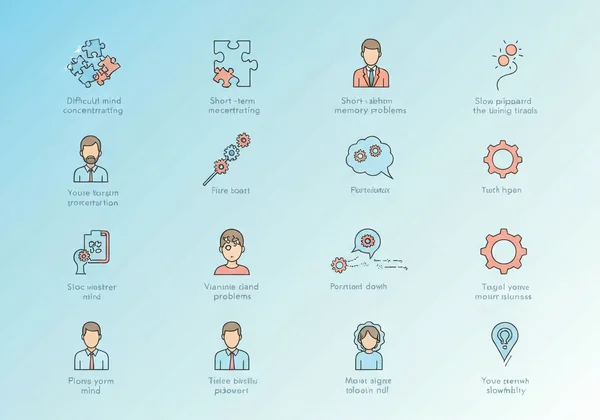
- Difficulty Concentrating: You struggle to stay focused on a single task and are easily distracted.
- Short-Term Memory Problems: You forget what you were just about to do, misplace items frequently, or have trouble recalling recent conversations.
- Mental Slowness: Thinking and processing information takes more effort than usual. Finding the right words can feel like a struggle.
- Trouble with Multitasking: Juggling multiple projects or responsibilities feels overwhelming and leads to confusion.
- A Feeling of Detachment: You feel mentally disconnected or "spaced out," even when you're trying to engage.
The Cognitive Connections: How Attention, Memory, and Focus Are Affected
These symptoms are directly linked to core cognitive functions. Brain fog is essentially a signal that certain mental processes aren't running at full capacity. The key areas affected are often attention, memory, and focus, which are critical for professional success.
- Attention: Your ability to filter out distractions and concentrate on the task at hand is weakened.
- Working Memory: This is your brain's "sticky note" for holding and manipulating information for short-term tasks. When it's impaired, you might forget the point you were about to make in a meeting.
- Executive Functions: These are the higher-level skills that help you plan, organize, and execute tasks. Brain fog can disrupt these functions, making it difficult to manage your workload effectively.
Understanding which of these specific areas is struggling is the key to creating a targeted plan for improvement.
Practical Strategies: How to Get Rid of Brain Fog Naturally
Before diving into targeted assessments, it’s important to acknowledge the foundational pillars of brain health. There are many practical and natural ways to combat brain fog and sharpen your cognitive performance. Often, small changes can yield significant results by giving your brain the support it needs to function optimally.
Lifestyle Adjustments for Improved Mental Clarity
General lifestyle adjustments are your first line of defense against cognitive sluggishness. These habits are scientifically proven to support overall brain health and can help lift the haze:
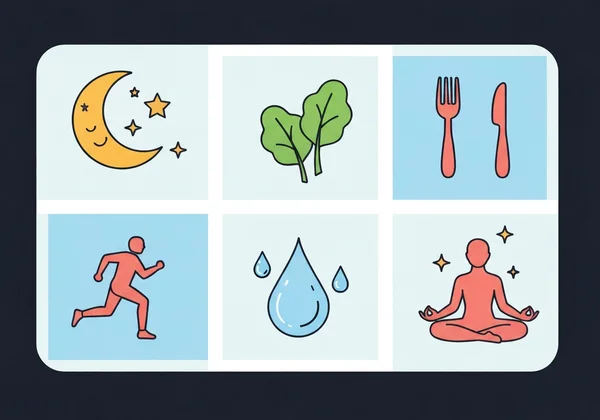
- Prioritize Sleep: Aim for 7-9 hours of quality sleep per night. Sleep is when your brain clears out toxins and consolidates memories.
- Nourish Your Brain: A balanced diet rich in omega-3 fatty acids (found in fish), antioxidants (berries, leafy greens), and complex carbohydrates can fuel your brain effectively.
- Stay Active: Regular physical exercise increases blood flow to the brain, which can improve memory and thinking skills.
- Manage Stress: Chronic stress floods your brain with cortisol, a hormone that can impair cognitive function. Practices like mindfulness, meditation, or even simple breathing exercises can make a huge difference.
- Stay Hydrated: Dehydration can quickly lead to a loss of focus and mental fatigue, so be sure to drink enough water throughout the day.
Why General Tips Might Not Be Enough for Lasting Change
While these strategies are universally beneficial, they can sometimes feel like casting a wide net. If you’ve tried these tips and still feel stuck, it’s likely because your brain fog has a more specific root cause. The problem with general advice is that it doesn’t tell you which cognitive skill needs the most attention. Are you struggling with sustained attention or is your working memory the real issue? Without this data, your efforts can feel unfocused and frustrating. To achieve lasting change, you need a more precise, data-driven approach. An online cognitive assessment can provide the personalized map you need to navigate out of the fog.
Cognitive Assessment: Your Path to Unlocking Mental Clarity at Work
This is where a Cognitive Assessment becomes your most valuable tool. Instead of guessing, you can get an objective, detailed picture of your unique cognitive profile. Think of it as a fitness test for your brain. It measures key areas like memory, attention, and executive function to give you a clear baseline. This data-driven approach is the definitive way to understand the "why" behind your brain fog and build a personalized path toward peak mental performance.
Pinpointing the Root Causes with AI-Driven Analysis
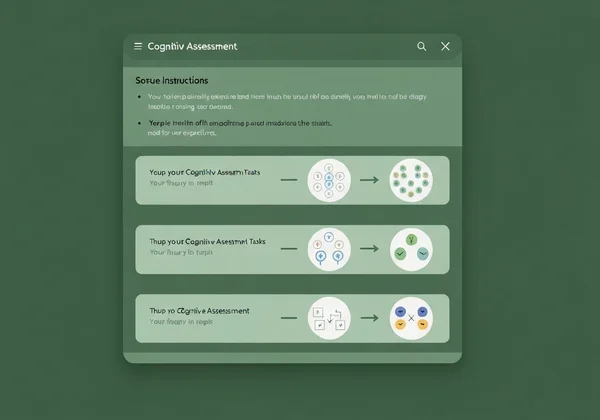
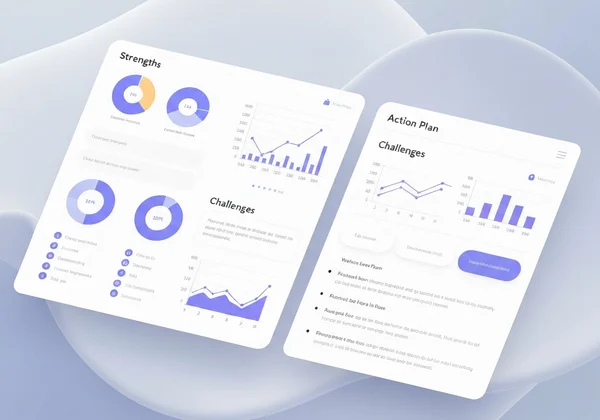
Our platform uses a sophisticated AI-driven analysis to go beyond simple scores. After you complete a series of engaging tasks, our intelligent engine analyzes your unique response patterns. It identifies subtle connections and nuances that a standard test might miss. This allows us to pinpoint your specific cognitive strengths and the areas that present challenges. The result is a highly personalized report that doesn't just tell you how you scored but explains why you might be feeling that mental haze at work. This level of insight is crucial for effective improvement.
Turning Insights into Action: A Personalized Plan for Improvement
The ultimate goal of any assessment is to empower action. A score is just a number; what truly matters is what you do with it. Our reports are designed to provide a personalized plan for improvement. We translate your cognitive data into clear, actionable insights and practical recommendations. For example, if the assessment reveals a weakness in working memory, your report might suggest specific exercises and strategies to strengthen that skill. This transforms a frustrating problem like brain fog into a manageable challenge with a clear solution. It’s about giving you the tools to reclaim your focus and thrive professionally. Are you ready to get your report?
Your Next Steps: Reclaiming Focus and Empowering Cognitive Performance
Brain fog at work doesn't have to be your new normal. While it can feel overwhelming, it's a solvable problem. By moving beyond generic advice and seeking to understand your unique cognitive landscape, you can take control of your mental clarity. The first step is gaining objective insight into your strengths and weaknesses. An AI-powered cognitive assessment provides the data you need to stop guessing and start taking targeted, effective action.
Empower yourself with knowledge and reclaim the sharp, focused mind you need to excel. Visit CognitiveAssessment.net to take our comprehensive test and receive your detailed, personalized report. Ready to take the first step towards a clearer, more focused mind?
Your Questions About Brain Fog & Cognitive Assessments Answered
What is a cognitive assessment and why might I need one if I have brain fog?
A cognitive assessment is a scientifically designed tool that measures key brain functions like memory, attention, reasoning, and processing speed. If you're experiencing brain fog, an assessment helps by objectively identifying which of these cognitive skills are underperforming. Instead of just feeling "off," you get clear data showing, for example, that your short-term memory is strong but your sustained attention is a challenge. This insight is the first step to creating a targeted improvement plan.
How can I effectively test my cognitive ability at home to understand brain fog?
The most effective way to test your cognitive ability at home is with a reliable, scientifically-backed online tool. Platforms like CognitiveAssessment.net are designed by neuropsychologists and AI experts to provide a comprehensive and accurate evaluation. Our interactive tasks are designed to be engaging while rigorously testing different cognitive domains, giving you a detailed report right from the comfort of your home. You can check your cognition with our accessible online platform.
What happens if you get a low score on a cognitive test related to brain fog?
A low score is not a failure—it's valuable information. It provides a clear, objective starting point for improvement. Our reports are designed to be empowering, not discouraging. They highlight your strengths alongside your challenges and, most importantly, provide actionable advice and strategies to help you strengthen weaker areas. Remember, our tool is for insight and guidance, not for clinical diagnosis. A score is simply a data point on your journey to better cognitive health.
How do I tell if my work-related mental fatigue is serious or normal?
Normal mental fatigue usually has a clear cause (e.g., a long project, poor sleep) and resolves with rest. Brain fog, however, tends to be more persistent and feels less connected to a specific event. If your mental fatigue consistently impairs your ability to concentrate, remember information, or complete tasks—even after a good night's sleep—it may be more than just tiredness. Taking a cognitive assessment test can help you gather objective data to understand if there are underlying cognitive patterns contributing to your feelings of fatigue.